
By the EHRA Privacy & Security Workgroup
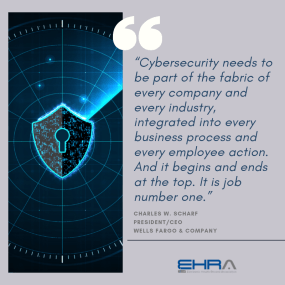 For many C level executives in a healthcare organization, cybersecurity equates to risk of a cyberattack that results in a Health Insurance Portability and Accountability Act (HIPAA) breach and fine.
The bigger risk posed by a cyberattack, however, is to patient safety. If you get anything from this blog post, it should be this: Cybersecurity incidents affect more than HIPAA compliance, and should be treated as a patient safety risk.
By categorizing cyberattacks as a patient safety risk, it escalates the importance of cybersecurity as more than mitigating a potential HIPAA fine.
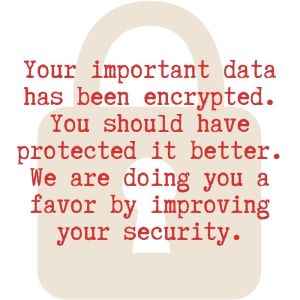
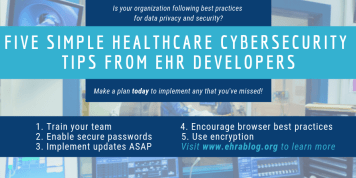 Whether you work for a large health system or small physician practice, you know that securing your patients’ data is important, and it’s a responsibility you take seriously. But chances are, you haven’t fully implemented as many cybersecurity best practices as you could.
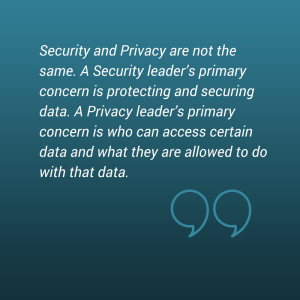 Cyber-threats are all over the news, including attempts to hack elections, steal corporate trade secrets, and hold medical records for ransom. Phishing is rampant, and is the way most hackers ultimately get into secure systems. The U.S. government has, of course, taken notice, and is taking action on several fronts.
