
By Justin Armstrong
Chair, EHRA Privacy & Security Workgroup
For updated COVID-19 resources for health IT developers and other stakeholders, click here.
 In the midst of a healthcare crisis like COVID-19, the furthest things from the minds of many may be cybersecurity. However, now is the time for a heightened alert level. Attackers frequently take advantage of current news and distracted organizations, and the COVID-19 crisis is no different.
Forbes reports that “there are now more than 40,000 ‘high-risk’ COVID-19 threats on the web.” Hackers have already attacked or attempted attacks on the U.S. Department of Health & Human Services, the World Health Organization, a vaccine test center, hospitals, a public health department, and other healthcare organizations in the U.S. and around the world. The increase in teleworking opens up new avenues of risk.
 It’s not news that, from the front line security analyst to the CISO level, there’s a shortage of skilled healthcare cybersecurity staff.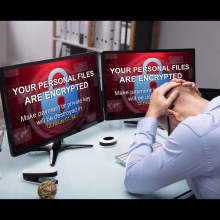
 Just as healthcare clinical staff recognize the value of good physical hygiene to prevent infection, good cyber hygiene can prevent malware infections.
 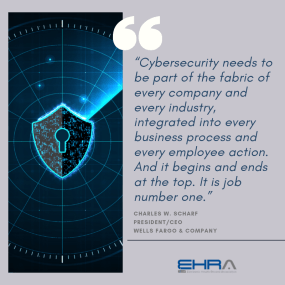 For many C level executives in a healthcare organization, cybersecurity equates to risk of a cyberattack that results in a Health Insurance Portability and Accountability Act (HIPAA) breach and fine.
 EHRA Blog