
By David Bucciferro (Foothold Technology), co-chair of the EHRA and the Opioid Task Force, and Renee Han (Epic), Opioid Task Force member
Over the past several years, community service and health professionals have fought hard to gain ground in the battle against the opioid epidemic. From 2017 until 2020, the number of patients receiving buprenorphine, methadone, or naltrexone – common medications for opioid use disorder (MOUD) – consistently increased as more patients at risk for OUD and overdose were identified and treated, according to a report from Epic Research.
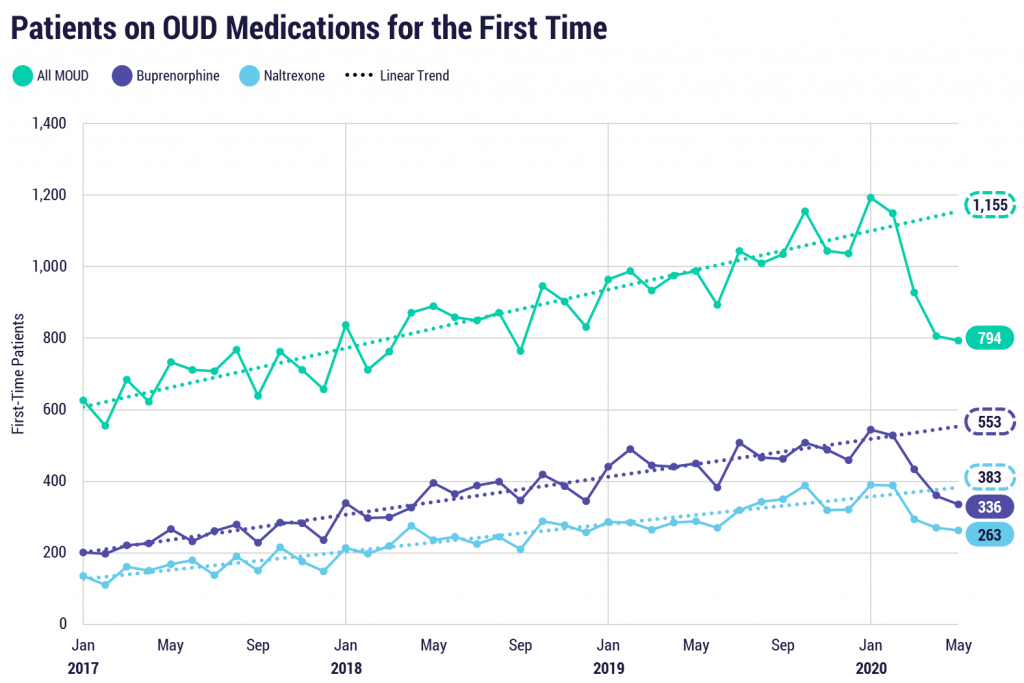
First-time MOUD, buprenorphine, and naltrexone patients over time. Solid colored capsules show the last observed value. Dashed outline capsules show the predicted value for May 2020. (Source: Epic Research.)
 The COVID-19 crisis started to consume the United States just as it had been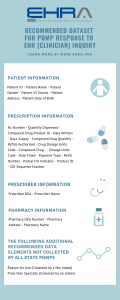
![screenshot_2018-12-26 ehra cdc opioid guideline implementation guide for ehrs - ehra-cdc-opioid-guideline-implementation-gu[...]](https://ehrablog.org/wp-content/uploads/2019/01/screenshot_2018-12-26-ehra-cdc-opioid-guideline-implementation-guide-for-ehrs-ehra-cdc-opioid-guideline-implementation-gu....png?w=233) The widespread opioid epidemic and its devastating effects flood our news feeds daily. No one is immune, which is why when the Electronic Health Record Association (EHRA) asked for volunteers to join a new Opioid Crisis Task Force, we and many others – including doctors, nurses, and pharmacists – stepped forward to share our experiences and expertise. For the past year, we have been conducting research and providing recommendations on new ways EHR technology can contribute solutions to help solve the complex puzzle of the opioid crisis.
The widespread opioid epidemic and its devastating effects flood our news feeds daily. No one is immune, which is why when the Electronic Health Record Association (EHRA) asked for volunteers to join a new Opioid Crisis Task Force, we and many others – including doctors, nurses, and pharmacists – stepped forward to share our experiences and expertise. For the past year, we have been conducting research and providing recommendations on new ways EHR technology can contribute solutions to help solve the complex puzzle of the opioid crisis.
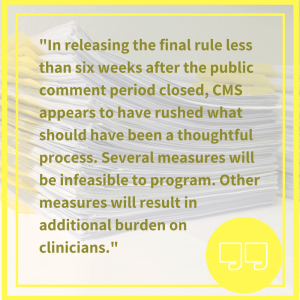 On August 2, 2018, CMS published the 2600-page pre-publication version of the
 EHRA Blog
