EHRA Statement on 2025 World Patient Safety Day

In recognition of 2025 World Patient Safety Day today (Sept. 17), the theme of which is “safe care for every newborn and every child” in recognition of the vulnerability of this age group to risks and harm caused by unsafe care, the EHR Association’s Patient Safety Workgroup shares the following statements:

“During the important conversations taking place on World Patient Safety Day, it’s important to remember that patient safety is a shared responsibility between the providers using health IT and EHR companies, which play a vital role in that mission. By enabling real-time access to accurate information, supporting clinical decision-making, and identifying potential risks to those using the systems, EHRs play a critical role in ensuring that every patient—including the youngest and most vulnerable—receives the safest care possible. Safety is too important not to address it from the start.”

—Michael Blackman, MD, MBA (Greenway Health),
 Chair, EHRA Patient Safety Workgroup

“Trust in healthcare delivery begins with transparency. The 2025 World Patient Safety Day focus on newborns and children reminds us of the critical importance of accurate, accessible, and comprehensive patient information from the very start. Patient portal activation during the newborn period establishes a foundation for patient engagement, eases parental or guardian access to health data, and supports effective communication about the patient from day one, all of which contribute to the safest possible patient interactions. It’s associated with improved adherence to follow-up visits and helps ensure parental and caregiver engagement regarding medication, diagnostics, and immunization, promoting ‘patient safety from the start’.”

—Marijo Carnino (MEDITECH), Vice Chair, EHRA Patient Safety Workgroup

Patient Safety Awareness Week: Patient Safety is a Public Health Concern

While progress has been made in the realm of patient safety over the past two decades, medical harm remains a leading cause of death worldwide, making it a public health concern. As many as 250,000 to 400,000 US deaths annually are blamed on errors or preventable harm, and an estimated 40% of patients experience mostly preventable harm in ambulatory and primary care settings.

Embracing this year’s Patient Safety Awareness Week (March 9-15) theme, Moving the Needle, allows healthcare-related organizations – including EHR and other health IT developers – to focus on continuous improvement and ensure that patient safety becomes part of standard practice.

(more…)

Five Ways EHRs Are Helping CDC Track COVID-19 Vaccinations

By the EHR Association COVID-19 Task Force

In December, two COVID-19 vaccines received authorization from the FDA, and the federal government began distribution to the states almost immediately. Millions of Americans have already received their first dose – many their second – and millions more will be vaccinated in the coming weeks and months. While social distancing, frequent hand washing, and face masks remain vital tools in limiting spread of coronavirus, we can increasingly see our way to a full return to hugs and handshakes, in-person meetings, travel, pubs and parties, concerts and classrooms.

As we anxiously await a return to our old way of life, public health experts, policymakers, and the public are watching the CDC vaccine data tracker, updated every evening with the latest numbers, including: 

  • How many vaccine doses have been distributed to-date? 
  • How many vaccines have been administered?
  • How many people have received their first dose? 
  • How many people have gotten a second dose?
  • Which vaccine is being administered?

But how does the CDC get all that data? The answer varies, but it’s made possible by technology, and electronic health records (EHRs) have been a key player from the beginning. 

Here are five ways that EHRs and the EHR Association are playing important roles in vaccine administration and data collection in the United States.

(more…)

Because COVID-19 Didn’t Erase the Opioid Crisis… How Health IT Can Support Opioid Tapering Plans

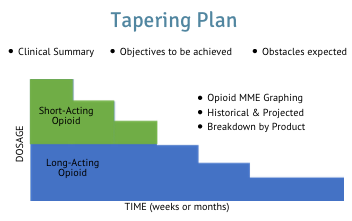
Screen Shot 2020-05-18 at 6.37.00 PMThe COVID-19 crisis started to consume the United States just as it had been turning the corner on the most severe chapter of the opioid crisis. Opioid prescribing rates and drug overdose rates both remain distressingly high, and some patients on opioids are more vulnerable to impacts from COVID-19. At the same time, for patients with severe chronic pain, opioids are clinically indicated, and provide meaningful relief from a life of constant pain that could otherwise be debilitating. For these individuals, prescribers are often challenged with adhering to CDC guidelines and state laws that limit opioid use while effectively treating pain, and this is especially true for patients who have been treated with higher doses of opioids for extended periods of time. 

The EHR Association’s Opioid Crisis Task Force has written a white paper to comment on the role that health information technologies, including EHRs, can play in assisting physicians with responsible opioid tapering.
(more…)

Strategic Healthcare Leaders Recognize Cybersecurity As A Patient Safety Risk

By the EHRA Privacy & Security Workgroup

Cybersecurity leadership quote(1)For many C level executives in a healthcare organization, cybersecurity equates to risk of a cyberattack that results in a Health Insurance Portability and Accountability Act (HIPAA) breach and fine. 

The bigger risk posed by a cyberattack, however, is to patient safety. If you get anything from this blog post, it should be this: Cybersecurity incidents affect more than HIPAA compliance, and should be treated as a patient safety risk. 

By categorizing cyberattacks as a patient safety risk, it escalates the importance of cybersecurity as more than mitigating a potential HIPAA fine.

(more…)

How EHR Technology Can Support Best Practices for Opioid Prescribing

By Dan Seltzer and Alan Staples
Co-chairs, Clinician Impact Subgroup, EHRA Opioid Crisis Task Force

screenshot_2018-12-26 ehra cdc opioid guideline implementation guide for ehrs - ehra-cdc-opioid-guideline-implementation-gu[...]The widespread opioid epidemic and its devastating effects flood our news feeds daily. No one is immune, which is why when the Electronic Health Record Association (EHRA) asked for volunteers to join a new Opioid Crisis Task Force, we and many others – including doctors, nurses, and pharmacists – stepped forward to share our experiences and expertise. For the past year, we have been conducting research and providing recommendations on new ways EHR technology can contribute solutions to help solve the complex puzzle of the opioid crisis.

Our most recent contribution is the CDC Opioid Guideline – Implementation Guide for Electronic Health Records.

Initial research and conversations with providers focused on the question, What do providers need from technology to support their efforts in the opioid crisis?  The input we received led us to develop a guide to assist healthcare organizations implement clinical practice guidelines within the EHR to improve opioid stewardship in clinical practice.   (more…)

  • Categories

  • Follow EHRA on Twitter

  • Enter your email address to follow this blog and receive notifications of new posts by email.

    Join 198 other subscribers
  • Contact Us

    Kasey Nicholoff
    staff @ ehra.org

    Amanda Patanow
    Communications and Media
    ehracomms @ npccs.com