
By David Heller
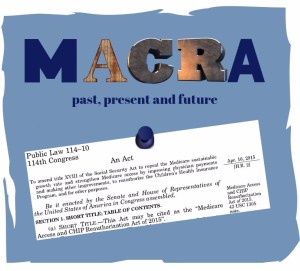
How much do you know about Congress’ effort to “rein in” expenses associated with healthcare’s fee-for-service system with the passage of MACRA?
Incentivizing value-based care was the goal of the Medicare and CHIP Reauthorization Act of 2015, aka MACRA, writes David Heller of the EHRA Public Policy Committee and Corporate Counsel for Regulatory Affairs at Greenway in an article tracing MACRA’s policy roots and offering recommendations for its future in the American University Health Law and Policy Brief.
In the article, “MACRA: Emerging from the Thicket,” Heller explains some of the reporting complexities that the Congressional authors of MACRA were trying to address.

![screenshot_2018-12-26 ehra cdc opioid guideline implementation guide for ehrs - ehra-cdc-opioid-guideline-implementation-gu[...]](https://ehrablog.org/wp-content/uploads/2019/01/screenshot_2018-12-26-ehra-cdc-opioid-guideline-implementation-guide-for-ehrs-ehra-cdc-opioid-guideline-implementation-gu....png?w=212&h=272) The widespread opioid epidemic and its devastating effects flood our news feeds daily. No one is immune, which is why when the Electronic Health Record Association (EHRA) asked for volunteers to join a new Opioid Crisis Task Force, we and many others – including doctors, nurses, and pharmacists – stepped forward to share our experiences and expertise. For the past year, we have been conducting research and providing recommendations on new ways EHR technology can contribute solutions to help solve the complex puzzle of the opioid crisis.
The widespread opioid epidemic and its devastating effects flood our news feeds daily. No one is immune, which is why when the Electronic Health Record Association (EHRA) asked for volunteers to join a new Opioid Crisis Task Force, we and many others – including doctors, nurses, and pharmacists – stepped forward to share our experiences and expertise. For the past year, we have been conducting research and providing recommendations on new ways EHR technology can contribute solutions to help solve the complex puzzle of the opioid crisis.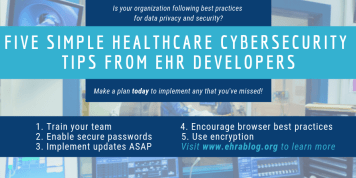 Whether you work for a large health system or small physician practice, you know that securing your patients’ data is important, and it’s a responsibility you take seriously. But chances are, you haven’t fully implemented as many cybersecurity best practices as you could.

 EHRA Blog
